Free postage from RM80 in Peninsular Malaysia, and from RM150 to East Malaysia and Singapore. Roasted to order, posted within two working days.

Free postage from RM80 in Peninsular MalaysiaFree postage from RM150 to East Malaysia and Singapore

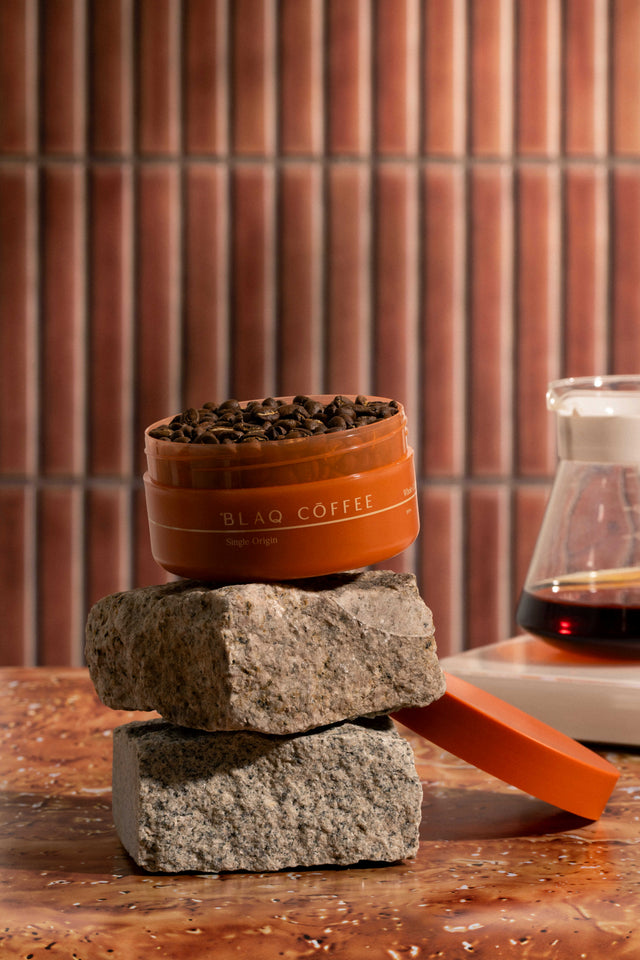
Blaq Coffee Colombia Diviso Sidra. A single tin on brown glazed tiles in warm light.
Origin 10 · Huila, Colombia

Colombia Diviso Sidra

Finca El Diviso, Huila. Sidra from Néstor Lasso, washed and finished with a thermal shock, at 1,850 metres.

In the cupPomegranate, apricot, lavender, caramel

  • Grown without synthetic inputs
  • One farm, one lot

RM78 / 100g whole bean

1
  • Roasted to order
  • Posted in 2 working days
  • Replaced or refunded if faulty

Secure checkout by card, charged in Malaysian ringgit.

Postage and delivery
Peninsular Malaysia
RM7, free from RM80
East Malaysia
RM12, free from RM150
Singapore
RM20, free from RM150
Elsewhere
At checkout

Worldwide by DHL or FedEx, 3 to 5 days.

Farm
Finca El Diviso (Lasso family)
Varietal
Sidra
Process
Thermal shock, washed
Altitude
1,850 m
Roast
Light
Weight
100g whole bean
Brew
Filter, V60 or Chemex
Immersion, AeroPress
The cup

Pomegranate first, then apricot. Lavender on the finish, with a caramel sweetness underneath.

Roasted light, so the variety stays legible. Brew it at 1:16, just off the boil, with a slow draw.

The story

Finca El Diviso sits near Pitalito, in the south of Huila, and this lot grew at 1,850 metres. Néstor Lasso took over the farm young, from a coffee-growing family, and built its name on fermentation he measures as he goes: temperature, pH and time, checked throughout.

Sidra is usually traced to Ecuador, where it moved from farm to farm before crossing into Colombia. Its parentage is still argued over. At El Diviso it is washed, then given a thermal shock: a rinse in hot water at the end of fermentation, which the farm uses to hold on to aromatics before the coffee dries.

It is the third variety we carry from the farm, after the Gesha and the Landrace. Same land, same family, a different seed.

The beans
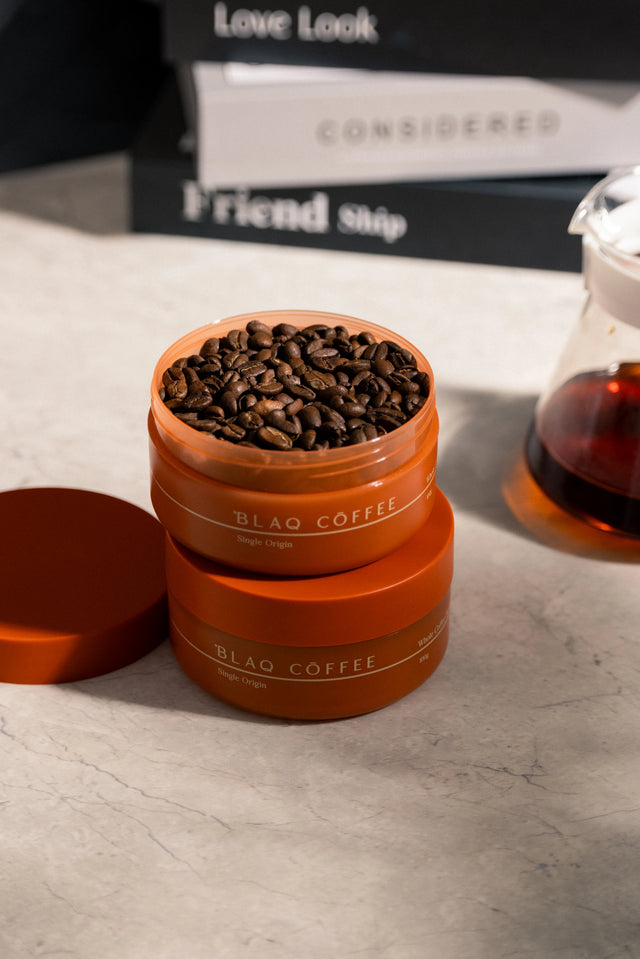
Colombia Diviso Sidra. The roasted beans.

Sidra. Thermal shock, washed. Light roast.
Before you buy

The questions we would ask.

Is it worth RM78?

A 100g bag pours roughly six cups, which puts a considered morning at a little over the price of a takeaway flat white, made at home in your own time. You are also paying for things that cost us money and are easy to skip: single-origin buying rather than blending, roasting to order rather than to stock.

Is this one for me?

Finca El Diviso, Huila. Sidra from Néstor Lasso, washed and finished with a thermal shock, at 1,850 metres. If you already drink filter coffee black and notice the difference between origins, yes. If you take it with milk and want something dependable rather than distinctive, Peru Palto will suit you better, and we would rather point you there than sell you the wrong bag.

Can I trust what you claim?

By publishing the parts that do not flatter us. This coffee is grown without synthetic inputs, by the farm's own account, and carries no organic certificate, so we do not use the word, and we say so on the label rather than implying otherwise. Two of our coffees carry a published laboratory report. This lot is not one of them and is not scheduled to be, and we would rather say so than borrow another result.

How long does a bag last?

Roughly six cups from 100g, so a fortnight for one person drinking a cup most mornings, or about a week for two. It is a deliberately small bag. Coffee is at its best in the first weeks after roasting, and we would rather you finished it while it is still worth drinking than kept it going stale.

How should I brew this one?

We would start with a V60 or Chemex. An AeroPress works too. Roasted light, so it is forgiving of a slightly coarse grind and rewards water just off the boil. Whole bean, ground at home if you can, because coffee begins losing its aromatics within minutes of grinding.

What if I do not enjoy it?

Write to us. If the bag is faulty, unfresh, or not what we promised, we replace it or refund it. Taste is personal, so if a coffee simply did not suit you, tell us what you thought and we will point you at the one that will. It helps us think about what to carry next.

Also on the shelf
Why this one

Why it is on the shelf.

We buy this lot from Finca El Diviso, Huila. Grown at 1,850 m. One farm, one lot, one harvest, bought because the cup earned it and not because it was easy to source.

How it was grown

Grown without synthetic pesticides, herbicides or fertilisers.

No herbicide is used on this farm, so no glyphosate, by the farm's own account. There is no organic certificate, and we say so.

On this coffee

This one is grown without synthetic fertiliser, herbicide or fungicide, by the farm's own account, and carries no certificate. A growing practice is not a certificate, so we do not use the word organic for it, and we will not print the word as though it were.

From the field to the cup

Most coffee is grown on a schedule of sprays. Fertiliser, herbicide, fungicide, applied to a plant that fruits in some of the wettest country on earth. It works, and it leaves a farm that needs a little more of it every season.

Growing this way is the decision not to. Compost in place of synthetic nitrogen, shade canopy in place of a cleared field. It costs the farmer more and yields less, which is why so little coffee is grown this way.

You taste the consequence rather than the practice. Under shade the cherries ripen slowly and unevenly, so they are picked in passes rather than stripped in one. Nothing was added to the field to carry a thin harvest. What is in the cup, the tree made.

And there is the part that matters at seven in the morning, before anyone has thought about agriculture. You are not wondering. It is the same instinct as turning the olive oil around to read the back, applied to the one thing you drink every single day.

The difference, line by line
  • FieldNo synthetic fertiliser, herbicide or fungicide.
  • RoastLight to medium, never past second crack, so the origin stays legible.
  • CupClean enough that a flavour you notice came from the coffee.
What we have not measured

This lot is not screened.

A certificate records what a farm agreed not to use. It cannot tell you what is in the bag you are holding. For two of our coffees we ask that question separately, with an independent laboratory report published in full.

This lot is not one of them, and it is not scheduled to be. We would rather say so here than let the page borrow a result that belongs to another coffee.

  • LaboratoryNot screened, and not scheduled to be.
  • CertificateNone. Grown without synthetic inputs.
  • ReportsTwo of our coffees carry one, published in full.

Search