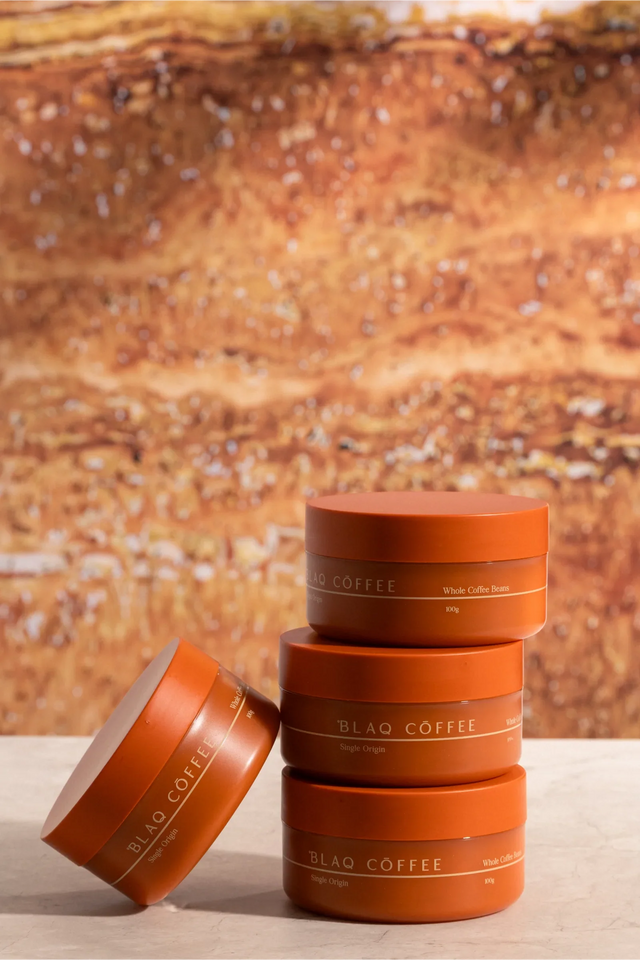
Free postage from RM80 in Peninsular Malaysia, and from RM150 to East Malaysia and Singapore. Roasted to order, posted within two working days.

Free postage from RM80 in Peninsular MalaysiaFree postage from RM150 to East Malaysia and Singapore

Blaq Coffee Colombia Diviso Gesha. Light roast Gesha cultivar from Finca El Diviso, Huila.
Origin 06 · Huila, Colombia

Colombia Diviso Gesha

87.5/100 SCA cupping scoreBatch 0526-CGS

Finca El Diviso, Huila. A single Geisha cultivar from the Lasso family farm. Small, deliberate, rare.

In the cupLemongrass, figs, grapefruit

  • Grown without synthetic inputs
  • One farm, one lot

RM55 / 100g whole bean

About RM9.20 a cup.

1
  • Roasted to order
  • Posted in 2 working days
  • Replaced or refunded if faulty
Free postage from RM80 in Peninsular Malaysia
Peninsular Malaysia
RM7, free from RM80
East Malaysia
RM12, free from RM150
Singapore
RM20, free from RM150
Elsewhere
At checkout

Worldwide by DHL or FedEx, 3 to 5 days.

Farm
Finca El Diviso (Lasso family)
Varietal
Geisha
Process
Double anaerobic, washed
Altitude
1,700–1,850 m
Roast
Light
Weight
100g whole bean
Brew
Filter, V60 or Chemex
Immersion, AeroPress
Cupped
87.5 out of 100. Specialty grade starts at 80.
The cup

Lemongrass. Clean, citric, almost herbal. Then figs. Dried, dense. A quiet sweetness that sits underneath. Grapefruit on the finish, not bitter, more like the pith of a pink grapefruit eaten in the morning.

Geisha is a cultivar that rewards attention. Rushed, it gives less than a supermarket blend. Brewed carefully at 1:16, just off the boil, a slow draw. It gives almost too much.

Grown by Nestor Lasso at El Diviso, third generation on the farm. Twenty-four hours of anaerobic fermentation. Thermal shock at sixty-five degrees. Then dehumidified drying. The Lasso family standardised the protocol over many harvests.

The story

Eighty thousand trees across eighteen hectares of southern Colombia. Geisha is a small fraction of them. A cultivar the Lasso family chose to grow despite the difficulty, because the cup repays the patience.

Nestor's grandfather, José Uribe, planted the original El Diviso trees. Nestor himself is twenty-four. He works the farm with his family.

The beans
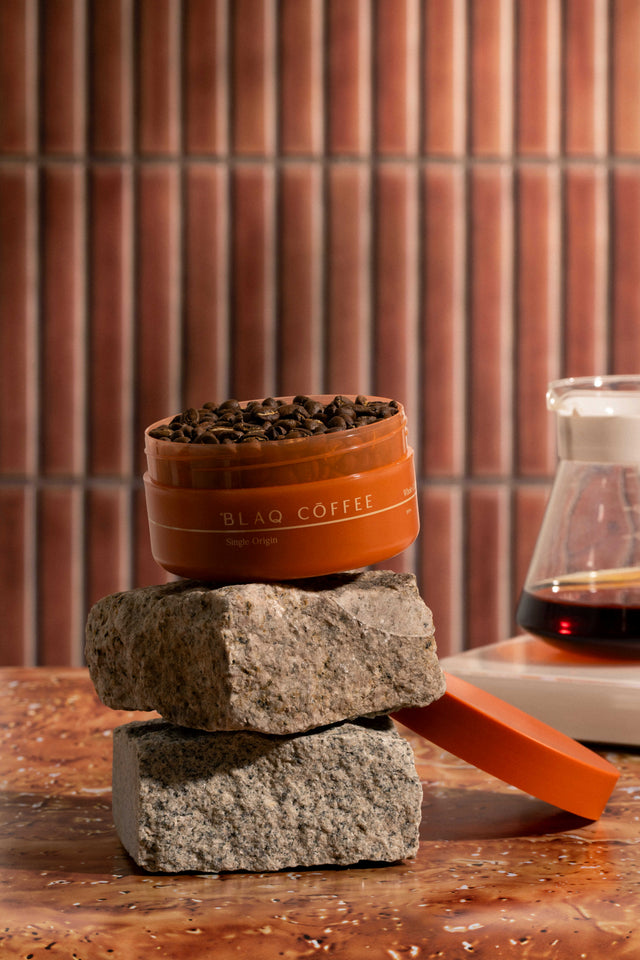
Colombia Diviso Gesha. The roasted beans.

Geisha. Double anaerobic, washed. Light roast.

A standing arrangement

Arriving on a rhythm.

For drinkers who already know which coffee they want. Same coffee, same bag, the same single-origin standard. This is about not running out.

Pause, skip, or end whenever you like. A single email does it.
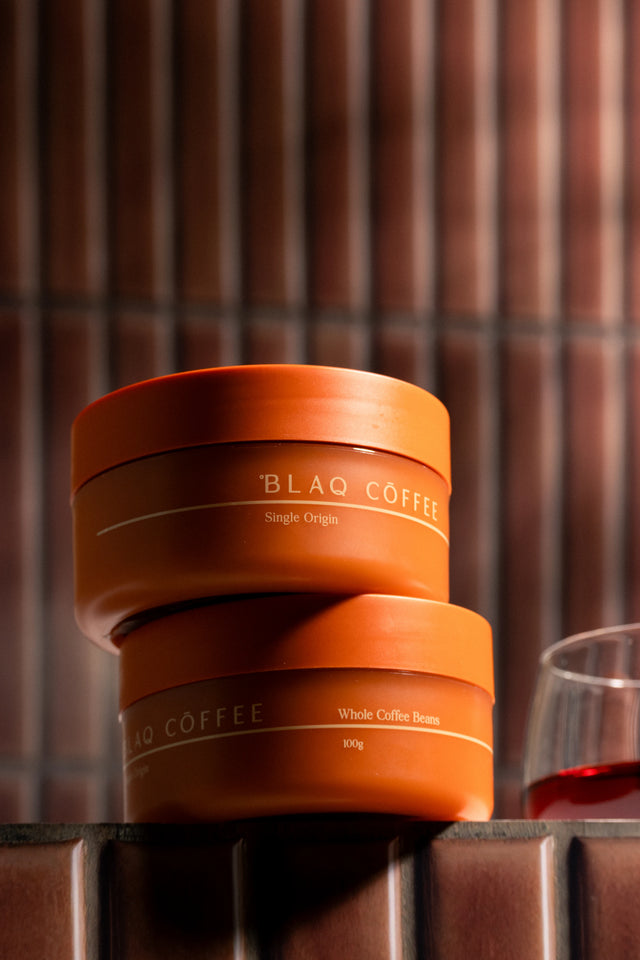
First bag ships within two working days. Next on the chosen rhythm.

Before you buy

The questions we would ask.

Is it worth RM55?

A 100g bag pours roughly six cups, which puts a considered morning at a little over the price of a takeaway flat white, made at home in your own time. You are also paying for things that cost us money and are easy to skip: single-origin buying rather than blending, roasting to order rather than to stock.

Is this one for me?

Finca El Diviso, Huila. A single Gesha cultivar from the Lasso family farm, at 1,700 to 1,850 metres. If you already drink filter coffee black and notice the difference between origins, yes. If you take it with milk and want something dependable rather than distinctive, Peru Palto will suit you better, and we would rather point you there than sell you the wrong bag.

Can I trust what you claim?

By publishing the parts that do not flatter us. This coffee is grown without synthetic inputs, by the farm's own account, and carries no organic certificate, so we do not use the word, and we say so on the label rather than implying otherwise. Two of our coffees carry a published laboratory report. This lot is not one of them and is not scheduled to be, and we would rather say so than borrow another result.

How long does a bag last?

Roughly six cups from 100g, so a fortnight for one person drinking a cup most mornings, or about a week for two. It is a deliberately small bag. Coffee is at its best in the first weeks after roasting, and we would rather you finished it while it is still worth drinking than kept it going stale.

How should I brew this one?

We would start with a V60 or Chemex. An AeroPress works too. Roasted light, so it is forgiving of a slightly coarse grind and rewards water just off the boil. Whole bean, ground at home if you can, because coffee begins losing its aromatics within minutes of grinding.

What if I do not enjoy it?

Write to us. If the bag is faulty, unfresh, or not what we promised, we replace it or refund it. Taste is personal, so if a coffee simply did not suit you, tell us what you thought and we will point you at the one that will. It helps us think about what to carry next.

Also on the shelf
Why this one

Why it is on the shelf.

We buy this lot from Finca El Diviso, Huila. Grown at 1,700 to 1,850 m. One farm, one lot, one harvest, bought because the cup earned it and not because it was easy to source.

How it was grown

Grown without synthetic pesticides, herbicides or fertilisers.

No herbicide is used on this farm, so no glyphosate, by the farm's own account. There is no organic certificate, and we say so.

On this coffee

This one is grown without synthetic fertiliser, herbicide or fungicide, by the farm's own account, and carries no certificate. A growing practice is not a certificate, so we do not use the word organic for it, and we will not print the word as though it were.

From the field to the cup

Most coffee is grown on a schedule of sprays. Fertiliser, herbicide, fungicide, applied to a plant that fruits in some of the wettest country on earth. It works, and it leaves a farm that needs a little more of it every season.

Growing this way is the decision not to. Compost in place of synthetic nitrogen, shade canopy in place of a cleared field. It costs the farmer more and yields less, which is why so little coffee is grown this way.

You taste the consequence rather than the practice. Under shade the cherries ripen slowly and unevenly, so they are picked in passes rather than stripped in one. Nothing was added to the field to carry a thin harvest. What is in the cup, the tree made.

And there is the part that matters at seven in the morning, before anyone has thought about agriculture. You are not wondering. It is the same instinct as turning the olive oil around to read the back, applied to the one thing you drink every single day.

The difference, line by line
  • FieldNo synthetic fertiliser, herbicide or fungicide.
  • RoastLight to medium, never past second crack, so the origin stays legible.
  • CupClean enough that a flavour you notice came from the coffee.
What we have not measured

This lot is not screened.

A certificate records what a farm agreed not to use. It cannot tell you what is in the bag you are holding. For two of our coffees we ask that question separately, with an independent laboratory report published in full.

This lot, batch 0526-CGS, is not one of them, and it is not scheduled to be. We would rather say so here than let the page borrow a result that belongs to another coffee.

  • LaboratoryNot screened, and not scheduled to be.
  • CertificateNone. Grown without synthetic inputs.
  • ReportsTwo of our coffees carry one, published in full.

Search