Free postage from RM80 in Peninsular Malaysia, and from RM150 to East Malaysia and Singapore. Roasted to order, posted within two working days.

Free postage from RM80 in Peninsular MalaysiaFree postage from RM150 to East Malaysia and Singapore

Blaq Coffee Ethiopia Kayon. Naturally processed light roast single origin coffee from Guji.
Origin 04 · Guji, Ethiopia

Ethiopia Kayon

86/100 SCA cupping scoreBatch 0526-EKY

Kayon Mountain, Guji. Heirloom varietals, naturally processed at 2,000 metres.

In the cupMango, coconut, mandarin

RM35 / 100g whole bean

About RM5.80 a cup.

1
  • Roasted to order
  • Posted in 2 working days
  • Replaced or refunded if faulty
Free postage from RM80 in Peninsular Malaysia
Peninsular Malaysia
RM7, free from RM80
East Malaysia
RM12, free from RM150
Singapore
RM20, free from RM150
Elsewhere
At checkout

Worldwide by DHL or FedEx, 3 to 5 days.

Farm
Kayon Mountain G1
Varietal
Heirloom
Process
Natural
Altitude
1,900–2,200 m
Roast
Light
Weight
100g whole bean
Brew
Filter, V60 or Chemex
Immersion, AeroPress
Cupped
86 out of 100. Specialty grade starts at 80.
The cup

Mango. Not subtle. The tropical fruit is right there, upfront, almost syrupy. Then coconut. Not the flavour so much as the texture. Something round and palate coating. Mandarin orange at the finish, pulling everything into focus.

A natural processed Ethiopian that does not ask to be explained.

The story

Ismael Hassen Aredo founded Kayon Mountain in 2012, with his family. Five hundred hectares of land. Three hundred under coffee. The rest is forest, kept deliberately uncultivated. The estate is certified organic, biodynamic, and shade-grown. Compost is made on site. Twenty-five people work here full time. Three hundred more come for the harvest. They earn fair wages, with healthcare and transport included. In an area where the main alternative is mining work, the farm offers a different shape of life.

The family runs its own wet and dry mills, which is uncommon in Ethiopia. Each lot can be traced to a single hillside, and sold direct to specialty buyers, bypassing the Ethiopian Commodity Exchange. Few farms in the country do this.

The beans
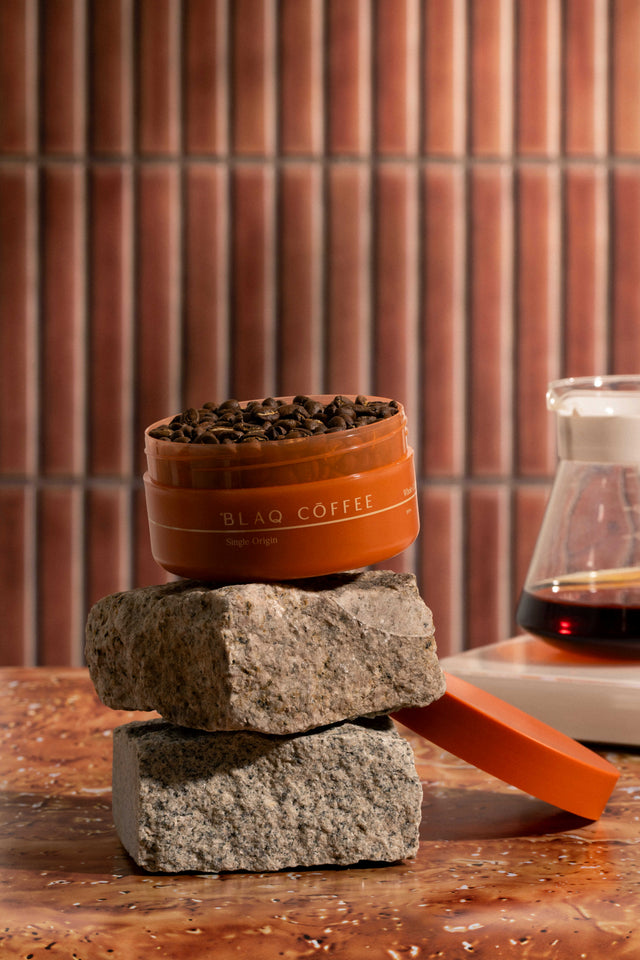
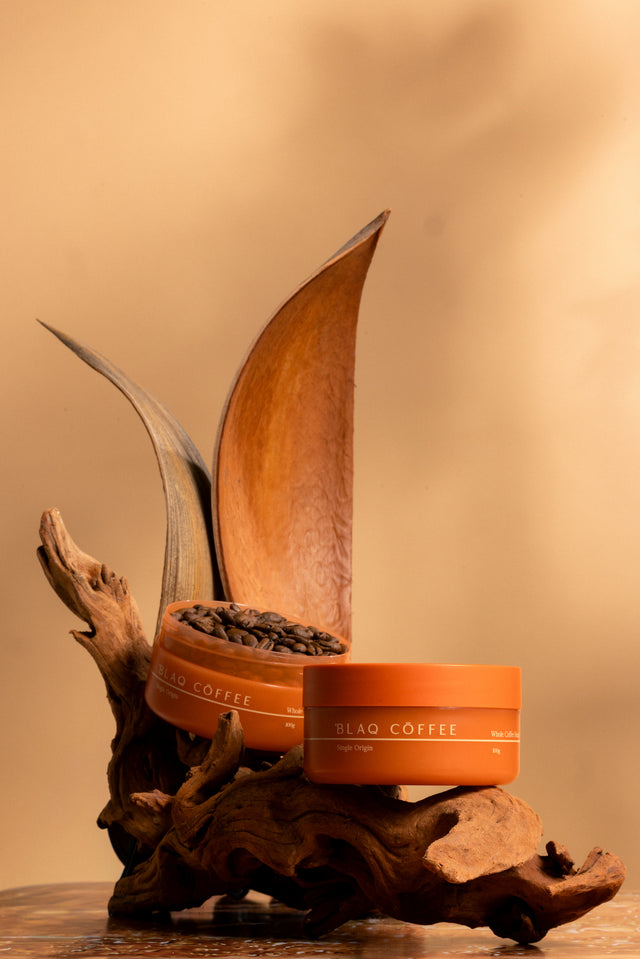
Ethiopia Kayon. The roasted beans.

Heirloom. Natural. Light roast.

A standing arrangement

Arriving on a rhythm.

For drinkers who already know which coffee they want. Same coffee, same bag, the same single-origin standard. This is about not running out.

Pause, skip, or end whenever you like. A single email does it.
First bag ships within two working days. Next on the chosen rhythm.

Before you buy

The questions we would ask.

Is it worth RM35?

A 100g bag pours roughly six cups, which puts a considered morning at a little over the price of a takeaway flat white, made at home in your own time. You are also paying for things that cost us money and are easy to skip: single-origin buying rather than blending, roasting to order rather than to stock, and laboratory screening on the green bean.

Is this one for me?

Kayon Mountain, Guji. Heirloom varietals, naturally processed at 1,900 to 2,200 metres. If you already drink filter coffee black and notice the difference between origins, yes. If you take it with milk and want something dependable rather than distinctive, Peru Palto will suit you better, and we would rather point you there than sell you the wrong bag.

Can I trust what you claim?

By publishing the parts that do not flatter us. This coffee comes from a certified-organic farm, audited annually by an accredited body; the certificate is the farm's, and our roastery is not a certified handler, so the tin carries no seal. This lot went to an independent laboratory accredited to ISO/IEC 17025 before roasting, and its report is published whole rather than summarised into a claim.

How long does a bag last?

Roughly six cups from 100g, so a fortnight for one person drinking a cup most mornings, or about a week for two. It is a deliberately small bag. Coffee is at its best in the first weeks after roasting, and we would rather you finished it while it is still worth drinking than kept it going stale.

How should I brew this one?

We would start with a V60 or Chemex. An AeroPress works too. Roasted light, so it is forgiving of a slightly coarse grind and rewards water just off the boil. Whole bean, ground at home if you can, because coffee begins losing its aromatics within minutes of grinding.

What if I do not enjoy it?

Write to us. If the bag is faulty, unfresh, or not what we promised, we replace it or refund it. Taste is personal, so if a coffee simply did not suit you, tell us what you thought and we will point you at the one that will. It helps us think about what to carry next.

Also on the shelf
What we measured

Nine hundred and fifty-two molecules.

A certificate records what a farm agreed not to use. It cannot tell you what is in the bag you are holding. So we send the green beans to an independent laboratory and ask that question separately.

  • 952pesticide and herbicide residues screened
  • 5mycotoxins: ochratoxin A and aflatoxins B1, B2, G1 and G2
  • 2methods, LC-MS/MS and GC-MS/MS
  • 0.01mg per kg, the level most residues were measured to

This lot, batch 0526-EKY, was screened against 952 pesticide and herbicide residues by two methods, most of them to a hundredth of a milligram per kilogram, alongside ochratoxin A and the four aflatoxins. Every line came back the same. Not detected.

  • WhereIndependent laboratories accredited to ISO/IEC 17025.
  • WhenOn the green bean, before we roast.

The full report is below, unedited. We publish it rather than summarise it, because a claim you cannot check is only a claim.

Why this one

Why it is on the shelf.

We buy this lot from Kayon Mountain, Guji. Grown at 1,900 to 2,200 m. One farm, one lot, one harvest, bought because the cup earned it and not because it was easy to source.

How it was grown

Grown without synthetic pesticides, herbicides or fertilisers.

No herbicide is used on this farm, so no glyphosate, and an accredited body audits it every year. The certificate is the farm's; our roastery is not a certified handler, so the tin carries no seal.

From the field to the cup

Most coffee is grown on a schedule of sprays. Fertiliser, herbicide, fungicide, applied to a plant that fruits in some of the wettest country on earth. It works, and it leaves a farm that needs a little more of it every season.

Organic is the decision not to. Compost in place of synthetic nitrogen, shade canopy in place of a cleared field, three years of it before the word organic may be used at all. It costs the farmer more and yields less, which is why so little coffee is grown this way.

You taste the consequence rather than the practice. Under shade the cherries ripen slowly and unevenly, so they are picked in passes rather than stripped in one. Nothing was added to the field to carry a thin harvest. What is in the cup, the tree made.

And there is the part that matters at seven in the morning, before anyone has thought about agriculture. You are not wondering. It is the same instinct as turning the olive oil around to read the back, applied to the one thing you drink every single day.

The difference, line by line
  • FieldNo synthetic fertiliser, herbicide or fungicide. Audited annually.
  • PickingShade-ripened, picked in passes, sorted by hand.
  • RoastLight to medium, never past second crack, so the origin stays legible.
  • CupClean enough that a flavour you notice came from the coffee.

Search