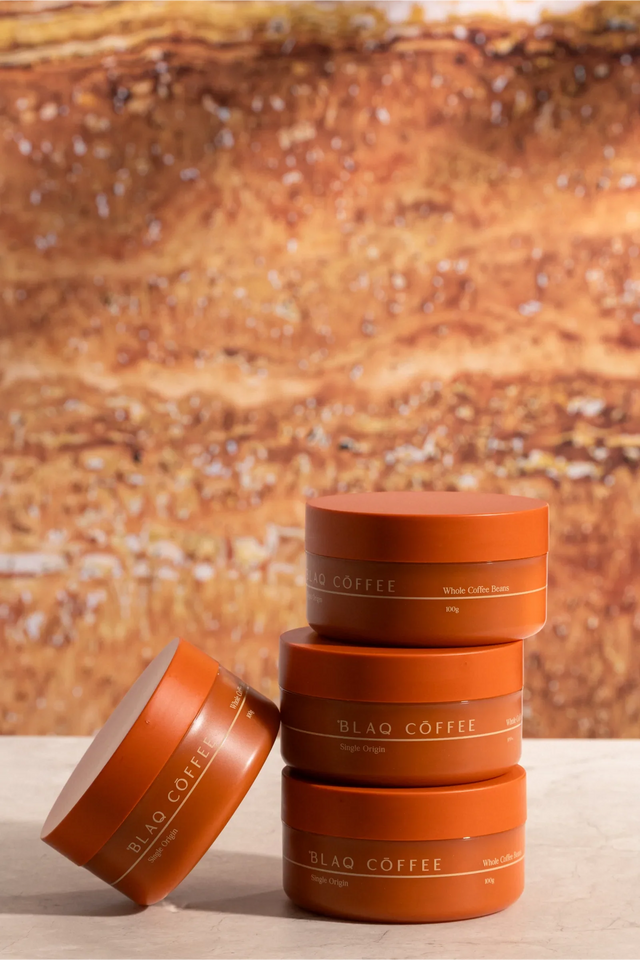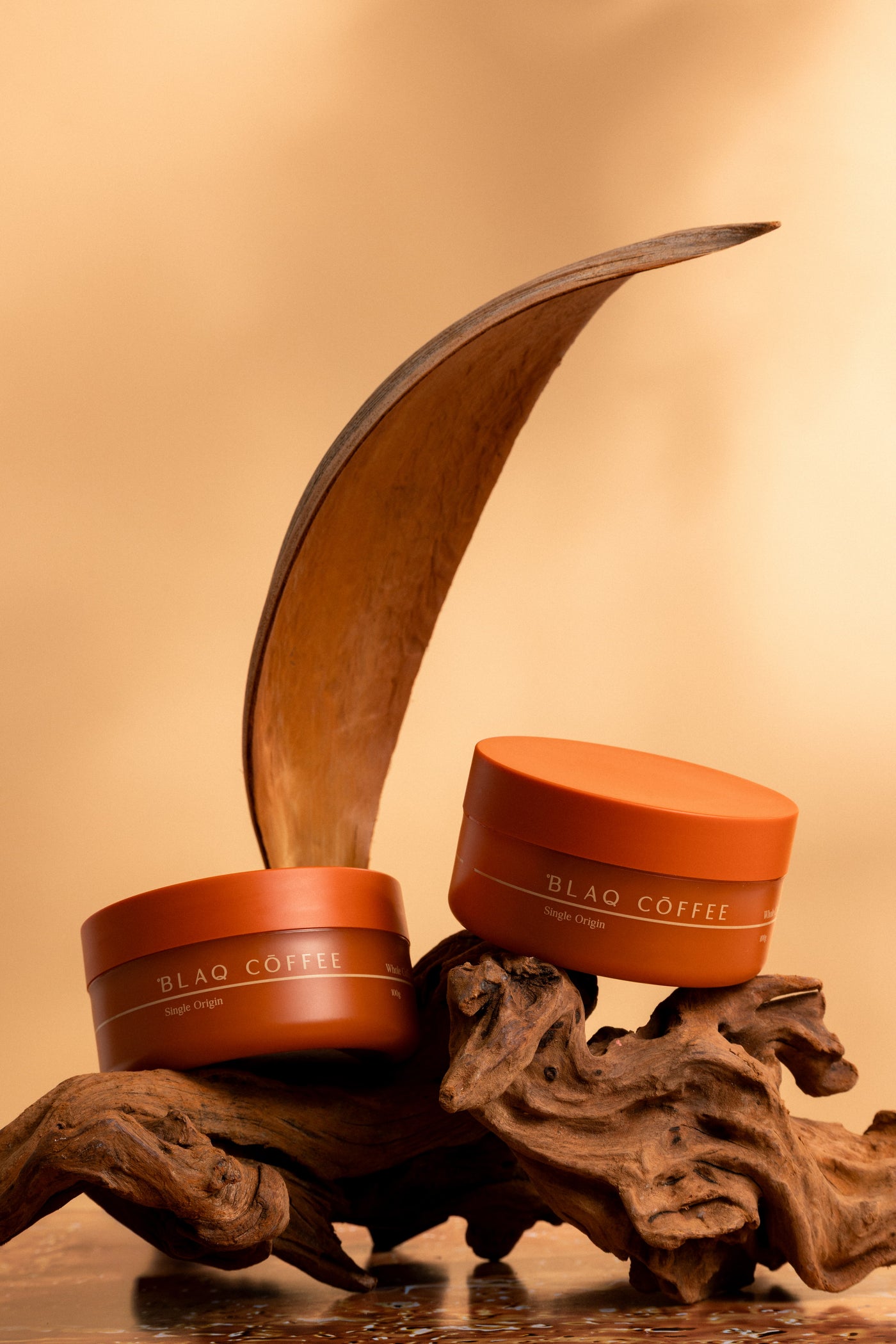
Blaq Coffee Colombia Diviso Landrace. Light roast Ethiopian Landrace varietal from Finca El Diviso, Huila.
Origin 05 Huila, Colombia

Colombia Diviso Landrace

RM50 / 100g whole bean

Finca El Diviso, Huila. Ethiopian Landrace genetics in Colombian soil. The Lasso family farm, third generation, at 1,700–1,850 metres.

1

Single originTestedRoasted fresh

Screened for ochratoxin A and aflatoxins on the green bean, before we roast.

Roasted to your order. · Posted within two working days.
Shipped worldwide by DHL or FedEx, 3 to 5 days.
Postage RM7 in Peninsular Malaysia, free at RM80 and above. RM12 in East Malaysia, free at RM150 and above. Elsewhere, calculated at checkout.

Farm
Finca El Diviso (Lasso family)
Varietal
Ethiopia Landrace
Process
Double anaerobic, washed
Altitude
1,700–1,850 m
Roast
Light
Weight
100g whole bean
Brew
Filter, V60 or Chemex
Immersion, AeroPress
87 / 100 SCA cupping score. On the 100-point scale, 80 and above is specialty grade.
The cup

Berries. Not the bright, acidic kind. More like a handful of mixed berries left in a warm bowl. Their sweetness concentrated. Almost jammy. Then lavender, which sounds unlikely until you taste it. Apricot on the way out.

Landrace varietals are old Ethiopian genetics. Ungrafted, unhybridised, less predictable than a modern cultivar and more interesting for it. Grown by Nestor Lasso at El Diviso, third generation on the farm. Forty hours of anaerobic fermentation. Thermal shock at sixty degrees. Twenty days under parabolic drying.

This is the same farm as our Geisha. A different conversation entirely.

The story

Nestor Lasso is twenty-four. His grandfather, José Uribe, planted the first trees on what is now El Diviso. The land runs to eighteen hectares in southern Colombia. Fifteen under coffee. Two left as forest.

Twelve varieties grow on the farm: Caturra, Castillo, Tabi, Pink Bourbon, Red Bourbon, Yellow Bourbon, Bourbon Ají, Caturra Chiroso, Geisha, Sidra, Java, Pacamara. Around eighty thousand trees in total.

In Nestor's own words: "One of our dreams is to share our specialty coffee with the entire world."

The beans
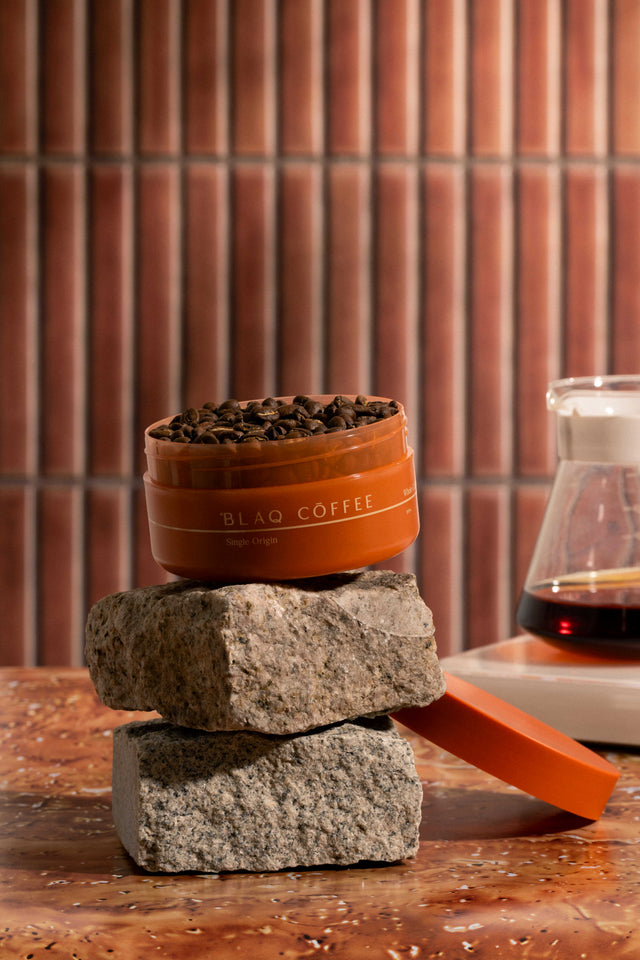
Colombia Diviso Landrace. The roasted beans.

Ethiopia landrace. Double anaerobic, washed. Light roast.

A standing arrangement

Arriving on a rhythm.

For drinkers who already know which coffee they want. Same coffee, same bag, the same single-origin standard. This is about not running out.

Pause, skip, or end whenever you like. A single email does it.
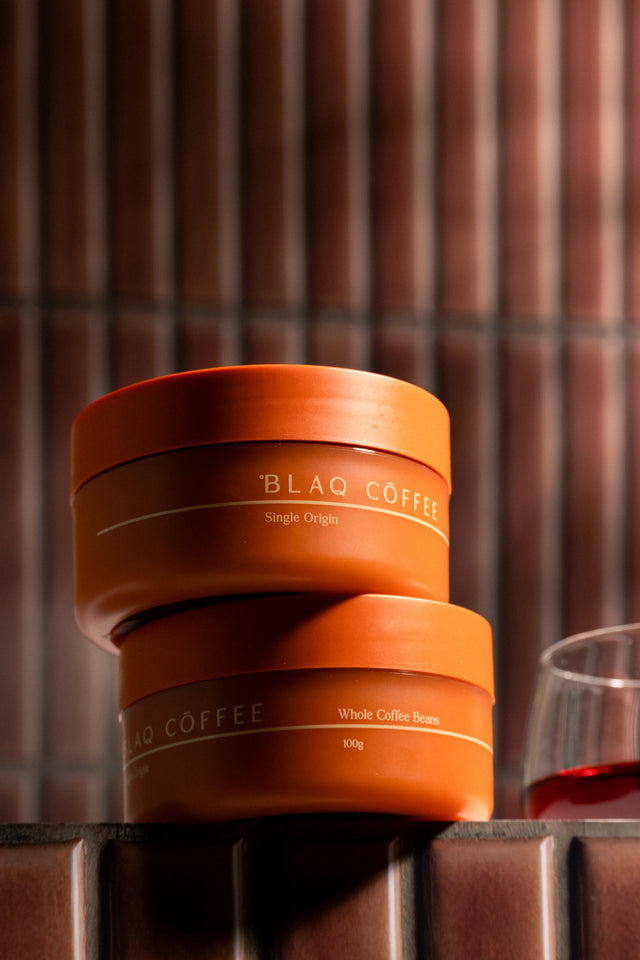
First bag ships within two working days. Next on the chosen rhythm.

01Why this one

Why it is on the shelf.

We buy this lot from Finca El Diviso, Huila. Grown at 1,700 to 1,850 m. One farm, one lot, one harvest, bought because the cup earned it and not because it was easy to source.

02Why organic

What it means by the time it reaches you.

Most coffee is grown on a schedule of sprays. Fertiliser, herbicide, fungicide, applied to a plant that fruits in some of the wettest country on earth. It works, and it leaves a farm that needs a little more of it every season.

Organic is the decision not to. Compost in place of synthetic nitrogen, shade canopy in place of a cleared field, three years of it before the word may be used at all. It costs the farmer more and yields less, which is why so little coffee is grown this way.

You taste the consequence rather than the practice. Under shade the cherries ripen slowly and unevenly, so they are picked in passes rather than stripped in one. Nothing was added to the field to carry a thin harvest. What is in the cup, the tree made.

And there is the part that matters at seven in the morning, before anyone has thought about agriculture. You are not wondering. It is the same instinct as turning the olive oil around to read the back, applied to the one thing you drink every single day.

03What we measured

Screened before it is roasted.

A certificate records what a farm agreed not to use. It cannot tell you what is in the bag you are holding. So we send green beans to an independent laboratory and ask that question separately, against 952 pesticide and herbicide residues alongside ochratoxin A and the four aflatoxins.

This lot, batch 0526-CLN, is in that programme, and its report is not published yet. Three of our eight coffees have theirs online today and the rest follow as each batch clears. We would rather show you an empty space here than borrow someone else's result.

Mycotoxins are the reason this is a separate question at all. They form after harvest, in humid transit and storage, which is a stage no farming certificate covers.

In other kitchens

What people say after the second bag.

Before you buy

The questions we would ask.

Is it worth RM50?
A 100g bag pours roughly six cups, which puts a considered morning at a little over the price of a takeaway flat white, made at home in your own time. You are also paying for things that cost us money and are easy to skip: single-origin buying rather than blending, roasting to order rather than to stock, and laboratory screening on the green bean.
Is this one for me?
Finca El Diviso, Huila. Ethiopian Landrace genetics in Colombian soil. The Lasso family, third generation, at 1,700 to 1,850 metres. If you already drink filter coffee black and notice the difference between origins, yes. If you take it with milk and sugar and want something dependable rather than distinctive, one of the chocolatier origins will suit you better, and we would rather point you there than sell you the wrong bag.
Can I trust what you claim?
By publishing the parts that do not flatter us. This coffee is certified organic, audited annually by an accredited body. Every batch goes to an independent laboratory accredited to ISO/IEC 17025 before roasting, and the reports are published whole rather than summarised into a claim. Where a lot has not been screened yet, we leave the space empty rather than borrow another result.
How long does a bag last?
Roughly six cups from 100g, so a fortnight for one person drinking a cup most mornings, or about a week for two. It is a deliberately small bag. Coffee is at its best in the first weeks after roasting, and we would rather you finished it while it is still worth drinking than kept it going stale.
How should I brew this one?
We would start with filter, v60 or chemex. or immersion, aeropress. Roasted light, so it is forgiving of a slightly coarse grind and rewards water just off the boil. Whole bean, ground at home if you can, because coffee begins losing its aromatics within minutes of grinding.
What if I do not enjoy it?
Write to us. If the bag is faulty, unfresh, or not what we promised, we replace it or refund it. Taste is personal, so if a coffee simply did not suit you, tell us what you thought and we will point you at the one that will. It helps us think about what to carry next.
Also on the shelf

Search