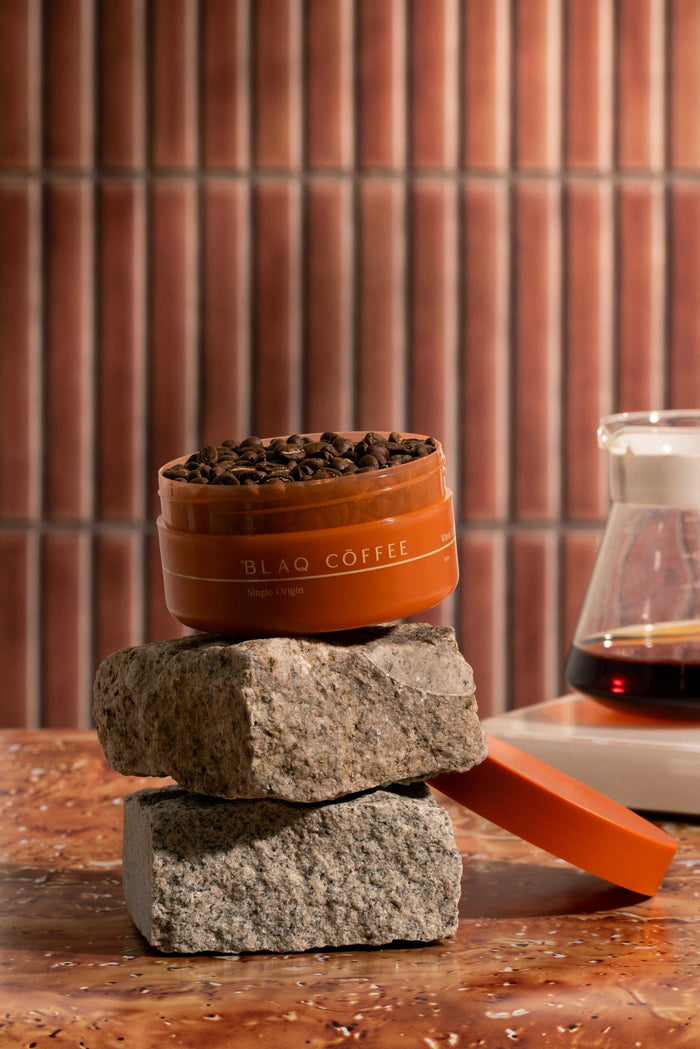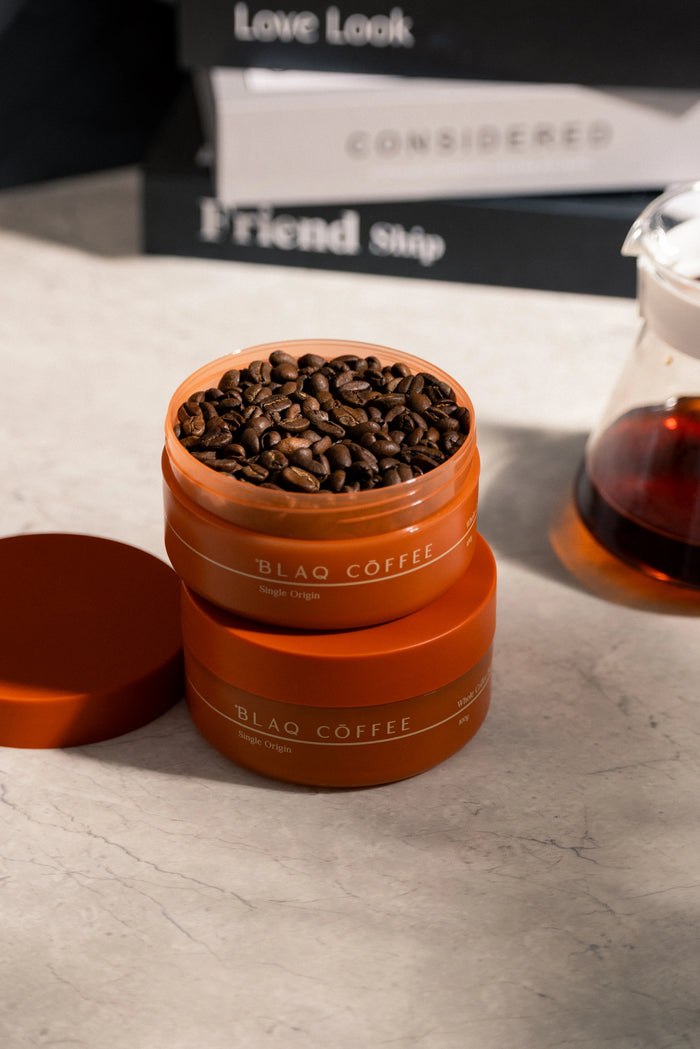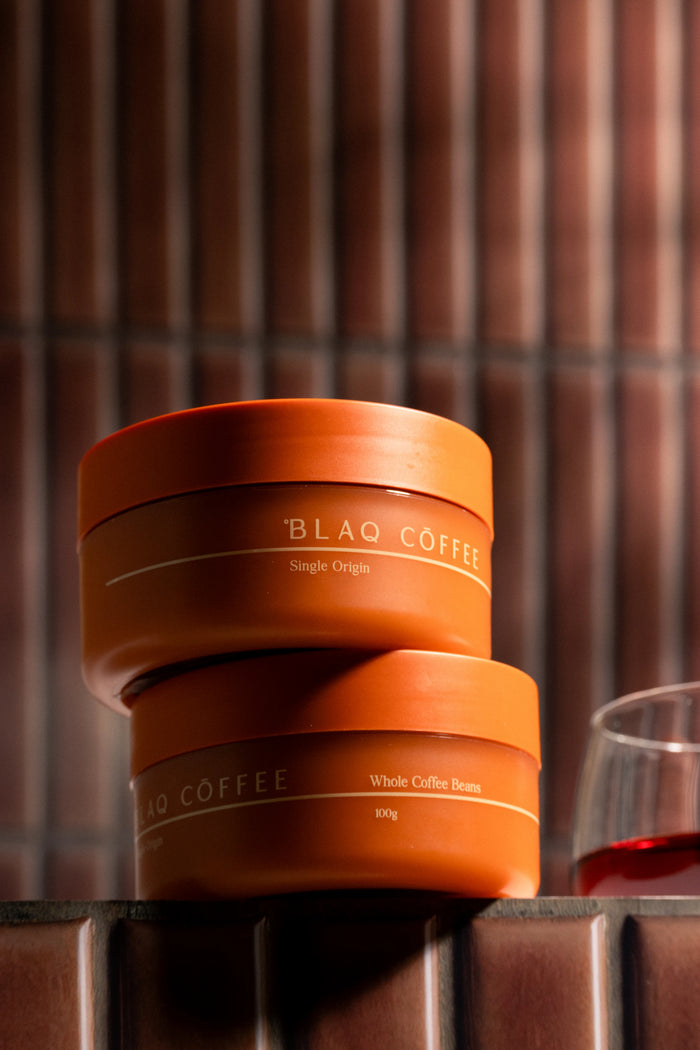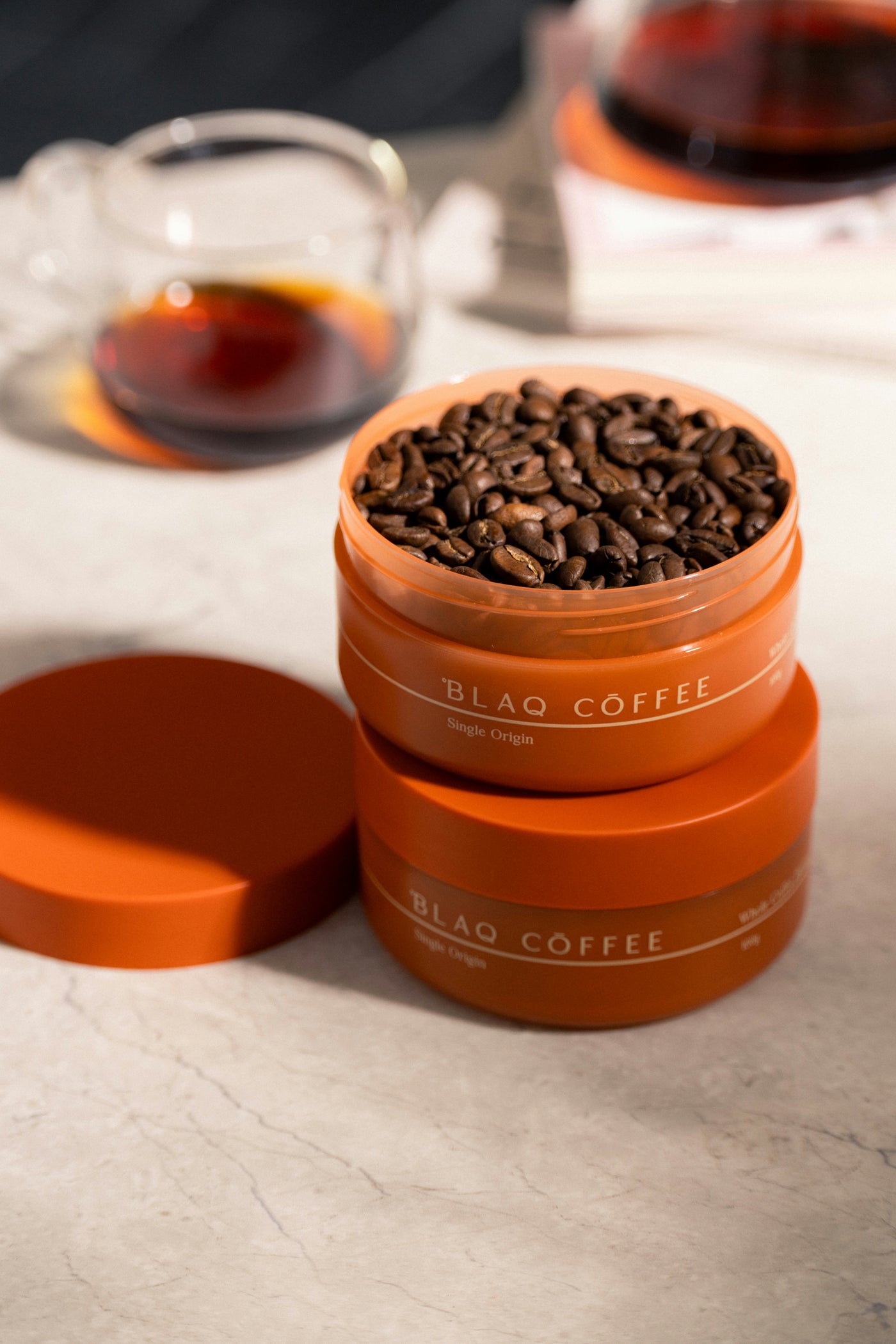
Ethiopia Suke
RM30 / 100g whole bean
Suke Quto, Guji. Heirloom, washed, at altitude. Clean and unmistakable.
Single originTestedRoasted fresh
Screened for ochratoxin A and aflatoxins on the green bean, before we roast.
Roasted to your order.
·
Posted within two working days.
Shipped worldwide by DHL or FedEx, 3 to 5 days.
Postage RM7 in Peninsular Malaysia, free at RM80 and above. RM12 in East Malaysia, free at RM150 and above. Elsewhere, calculated at checkout.
Priced in Malaysian ringgit. Your bank converts at the rate of the day.
- Farm
- Suke Quto
- Varietal
- Heirloom
- Process
- Washed, dried on raised beds
- Altitude
- 1,900–2,200 m
- Roast
- Medium
- Weight
- 100g whole bean
- Brew
- Filter, V60 or Chemex
Espresso
Ripe orange first. Juicy, sun-warmed. Then florals, present but never perfumed. The finish is washed-Ethiopian clean. Tea-like, sweet, and long.
If you are new to specialty coffee, start here. If you have been drinking it for years, come back. Other washed Ethiopians are measured against this one.
Tesfaye Bekele planted his first hectares at Suke Quto in 2005, beneath existing forest canopy. When a bushfire swept the area, he handed coffee seedlings and shade-tree seeds to his neighbours. The forest came back. So did the farms.
The mulch comes from the trees themselves. Leaf-litter, prunings, pulp from processing, returned to the soil that feeds the next harvest. The farm now runs to 221 hectares, with 171 smaller producers delivering cherry for processing. Certified organic and Rainforest Alliance, every hectare.

Heirloom. Washed, dried on raised beds. Medium roast.
Arriving on a rhythm.
For drinkers who already know which coffee they want. Same coffee, same bag, the same single-origin standard. This is about not running out.
Pause, skip, or end whenever you like. A single email does it.