Organic by practice means a coffee is grown without synthetic pesticides or fertilisers, even when the farm holds no organic certificate. Certification is costly and slow, and many of the best smallholders cannot afford it. We choose growers by how they farm, not by the paperwork they can produce.
The word organic has two meanings that have quietly drifted apart. One is a way of farming. The other is a certificate. They are not the same thing, and the gap between them is where a good deal of fine coffee lives.
Why the certificate and the farming can diverge
Certification proves that a process was followed and audited. It says nothing about the cup, and it costs money and years that a two-hectare grower in the highlands often does not have. Some of the cleanest farming we have seen carries no seal at all, simply because the farmer could never justify the fee. Meanwhile a certificate can be held by a farm whose coffee is unremarkable. The label and the quality are only loosely related.
How we verify without leaning on the seal
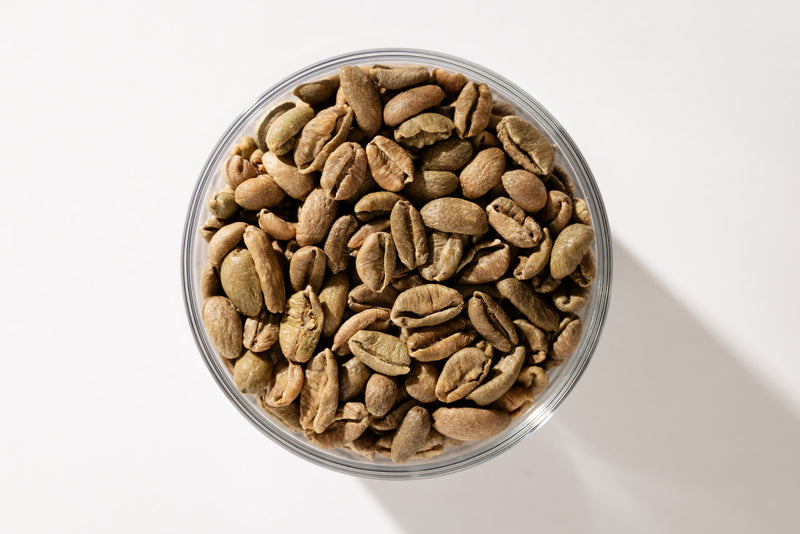
We choose growers by how they actually farm, which means knowing the farm rather than the filing. And then we do the thing a certificate cannot: we test. The green bean is screened at an accredited laboratory, for residues and for mycotoxins, certified or not. That test does not care about paperwork. This is why we farm-select the way we do.
The short answers
Is organic by practice just a way of saying uncertified?
It is uncertified clean farming, chosen by relationship and confirmed by laboratory test rather than by a seal.
Is certified organic better?
Certification proves a process, not a flavour. It is a useful signal, not a guarantee of either quality or safety.
Do you test organic coffee too?
Yes. Batch by batch, certified or not. The seal and the screen answer different questions.