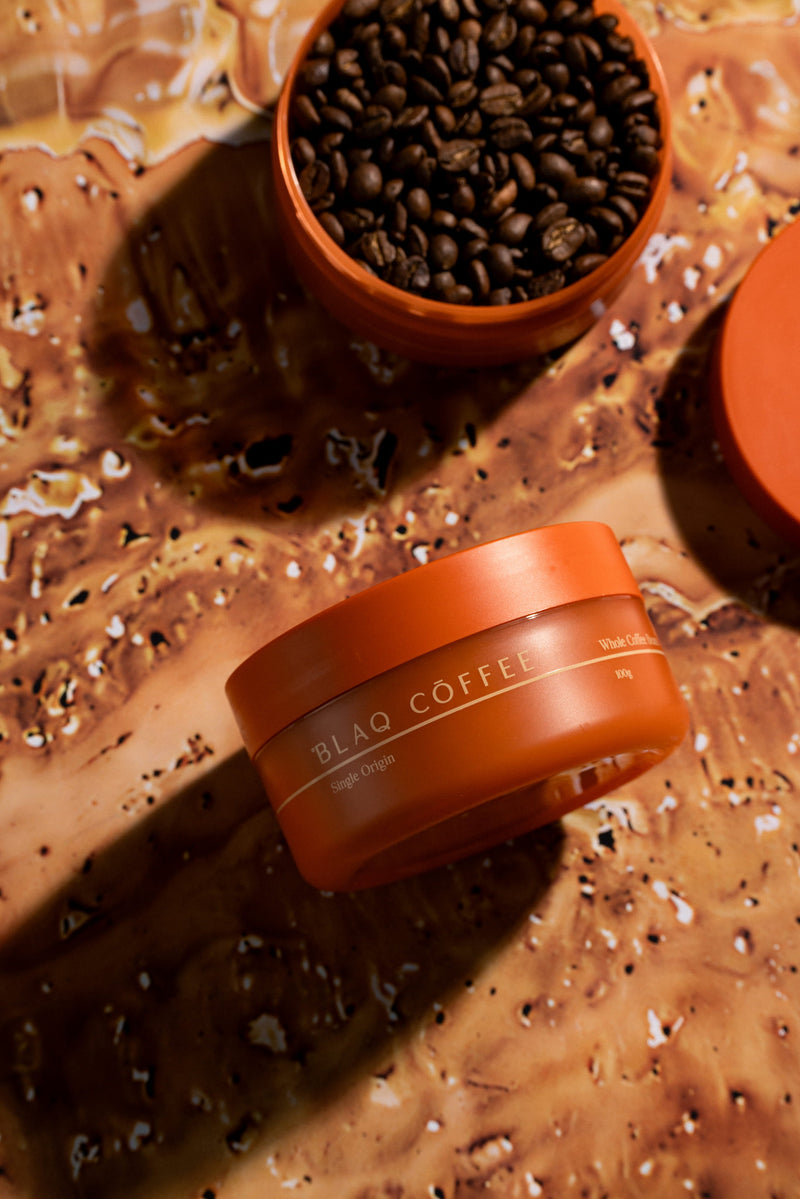
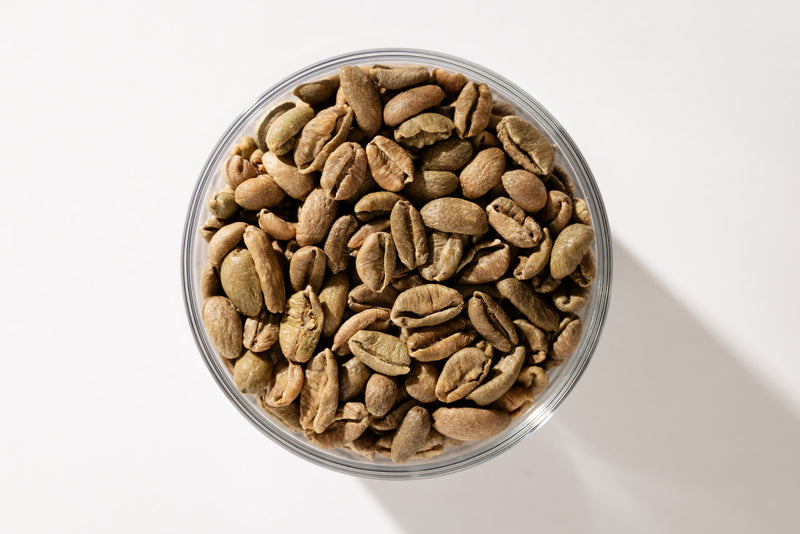
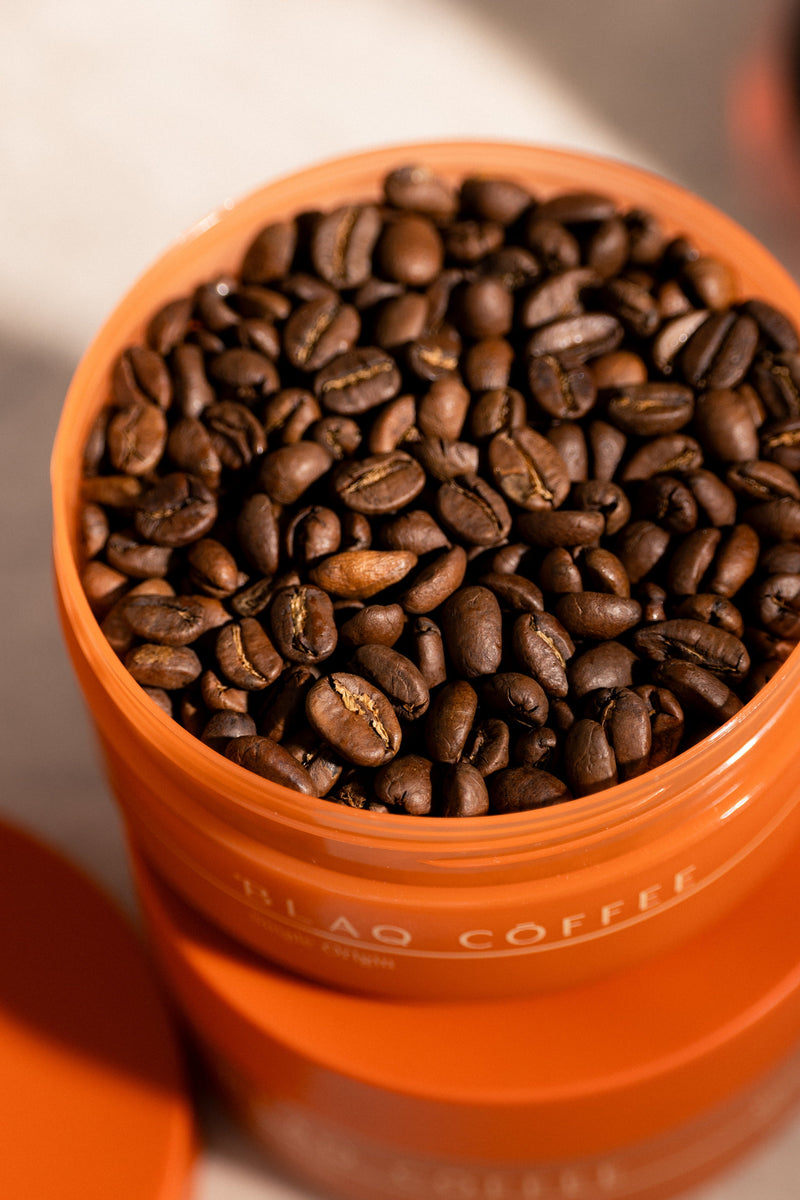
Organic specialty coffee is coffee that satisfies two separate standards at once. Grown without synthetic pesticides or fertilisers, which is the organic half. Scoring 80 points or above on the Specialty Coffee Association's 100-point scale, which is the specialty half. Neither standard implies the other, and coffee that clears both is rare.
The phrase gets used as if it were one idea. It is two, and the difference decides what ends up in your cup.
Organic is a claim about the farm
Organic describes how a coffee was grown. No synthetic pesticides, no synthetic fertilisers, soil managed the slow way. In certified form, an auditor has checked both the paperwork and the practice; the certificate follows the process, not the flavour. Plenty of remarkable coffee is grown organically without the certificate, because certification costs money and years that a two-hectare farm cannot always spare. We call that organic by practice, and we say plainly which of ours is which.
Specialty is a claim about the cup
Specialty is a grade, not a mood. A coffee is cupped against the Specialty Coffee Association's 100-point protocol, and 80 is the line. Above it, the coffee has to be clean, distinct, and free of defects; the further above, the finer the distinctions. We print the cupping score on each coffee's page where the lot has been scored. The Colombia Diviso Gesha cups at 87.5.
Why the combination is rare
The two standards pull against each other. Organic growing asks for restraint and patience at the farm. Specialty grade asks for meticulous picking, processing, and sorting. Each adds cost on its own. Together they exclude most of the world's coffee. Most organic coffee on a supermarket shelf is commodity grade with a certificate. Most specialty coffee is grown with whatever inputs the farm judged necessary. The overlap is thin, and it is where we choose to work.
What organic does not tell you
A certificate says nothing about what happened after harvest. Green coffee travels through humid ports and warehouses, and the moulds that produce mycotoxins do not read paperwork. So we treat organic status and laboratory screening as separate questions. The green bean is screened at independent laboratories accredited to ISO/IEC 17025, for ochratoxin A and aflatoxins, with each report linked on its coffee's page as the batch clears. An organic label and a lab report answer different questions. We think you should have both.
How we hold the line
Eight single origins, across Ethiopia, Peru, Colombia, Panama, and Malaysia. The Arabica range is certified organic. The two Malaysian Libericas are organic by practice, grown without synthetic inputs by farms too small to certify. Everything is roasted to order in Cheras, Kuala Lumpur, and shipped to 48 countries. One farm, one lot, one harvest at a time. The coffees are here; the full standard is written down.
The short answers
What is organic specialty coffee? Coffee grown without synthetic pesticides or fertilisers that also scores 80 points or above on the Specialty Coffee Association's 100-point scale. The first is a farming standard, the second a cup standard, and few coffees meet both.
Is organic coffee automatically better? No. Organic describes the growing, not the taste. A certified coffee can cup poorly, and an uncertified one can be exceptional. Grade and origin still decide the cup.
Does organic mean tested? No. Certification checks farming practice, not what the green bean picked up in storage and transit. Laboratory screening for mycotoxins is a separate step, and most coffee, organic or not, never gets it.
Where can I buy organic specialty coffee? We roast certified-organic single origins and organic-by-practice Malaysian Liberica in Kuala Lumpur, and ship to 48 countries by DHL or FedEx, roasted to order.
The two halves of the phrase are covered in their own time across the Journal: why organic, what single origin means, and what we test for, and why.